The more we learn about the natural world, the more we realize how deeply connected it is. Leaning into the connectedness that runs throughout all of the universe benefits us far more than attempting to isolate ourselves–if that were even possible.
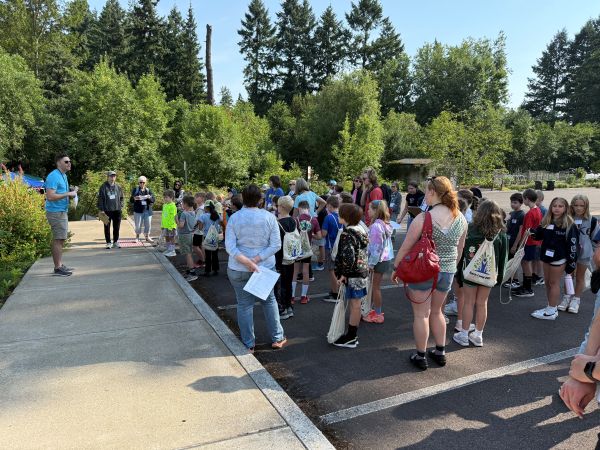
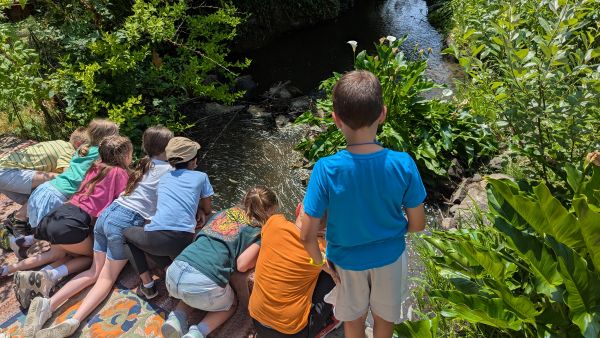
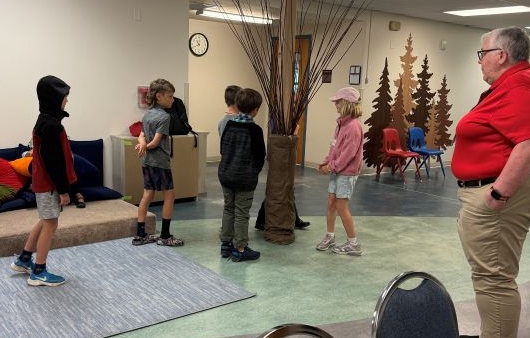
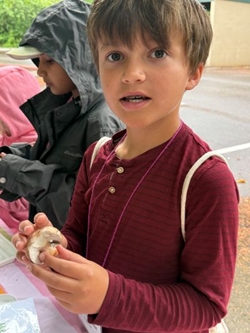
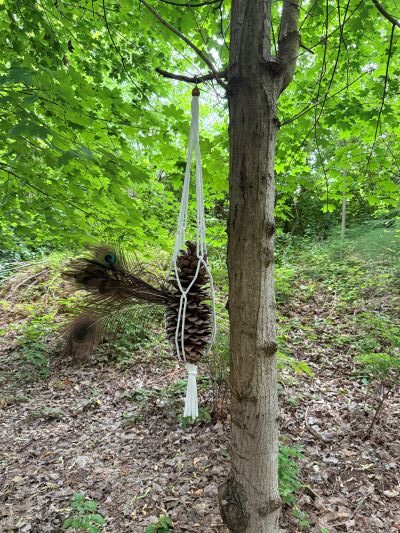
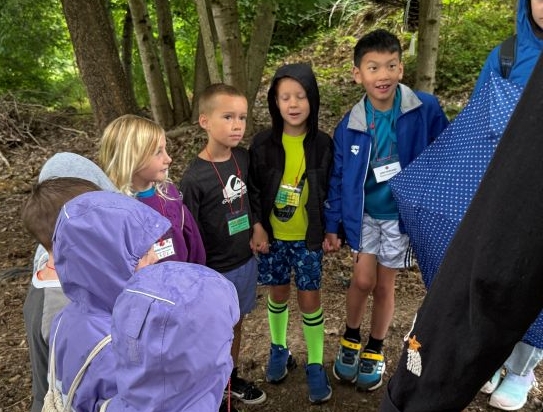
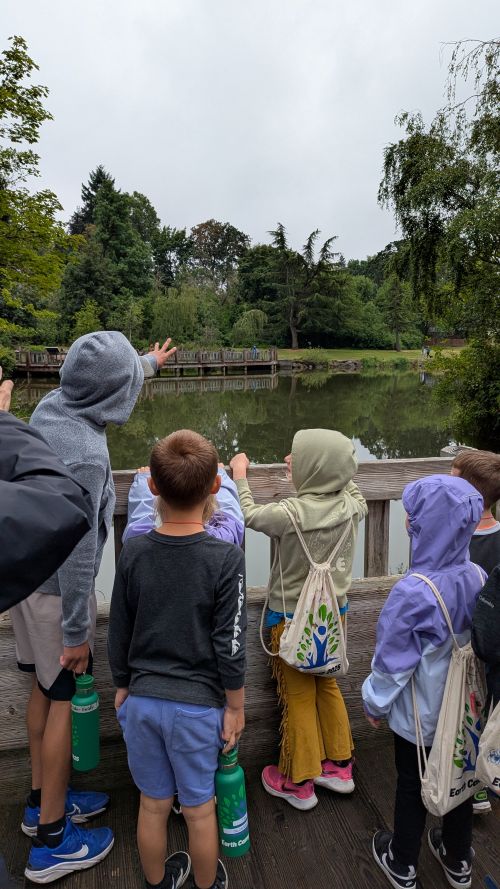
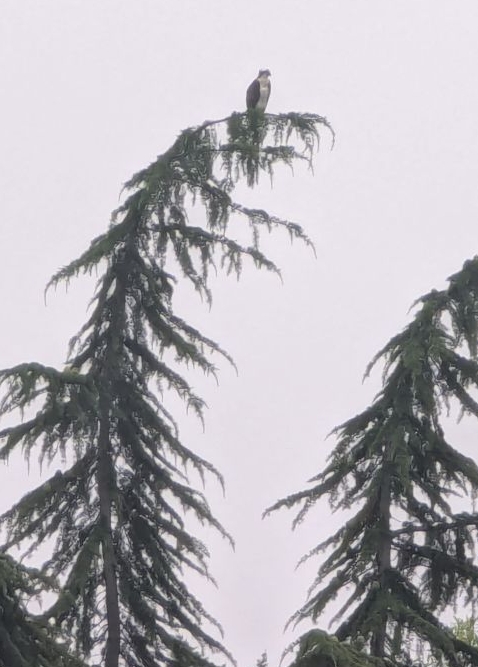
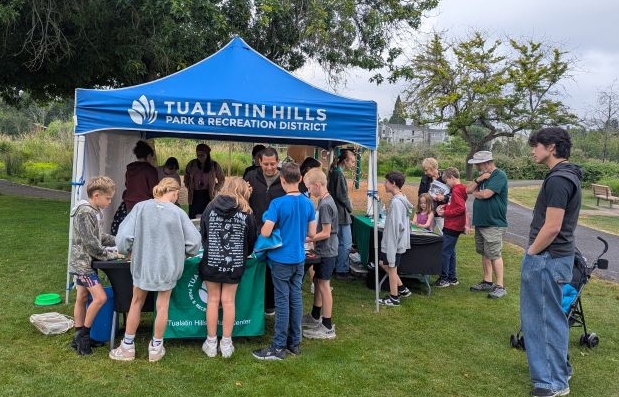
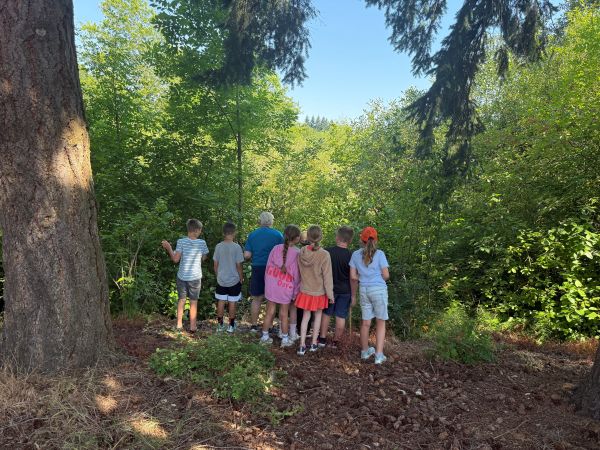
In Earth Camp 2025, teachers and campers will explore the ways we are connected with the world around us. We’ll discover the necessity of biodiversity and symbiotic relationships and examine our role as human beings within the ecological system. As we do so, we will find that living in harmony with the natural world is deeply tied to spiritual concepts such as kindness, humility, stewardship, and even resurrection.
Friday: Stewards of Creation
According to the 7-Day Creation story in Genesis 1, when God created human beings, they were made within the divine image and given a special place of authority on the earth. Since then, our relationship with the natural world has changed dramatically. As our species has grown in both population and technology, we have become arrogant, lost our sense of galance, destroyed natural relationships, and even tried to master the cycles of life and death. Instead, the responsibility of the divine image demands that we reform our interactions with creation for the benefit of everyone and everything. This is a great day to review the concepts of the week and apply them to new thoughts, both practical and spiritual, that we can carry with us beyond the camp week.
Thursday: The Circle of Life
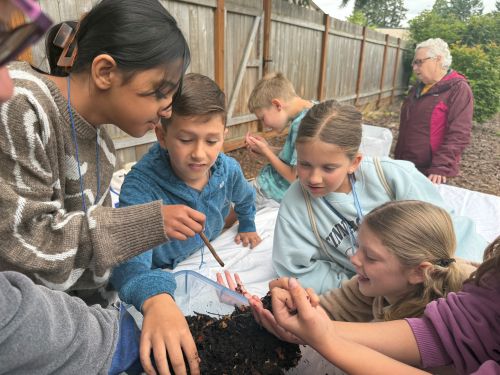
If the Lion King taught us anything, it’s that we all exist within the cycles of the natural world. Death is a necessary part of life, and in recognizing this we realize the miracle of the natural world–that nothing goes to waste. Death is not ultimate, but instead the building block for new life or growth. This is a principle that also sits at the heart of Christianity. Jesus demonstrated it when He healed the Centurion’s daughter, when He raise his friend Lazarus from the grave, and when He Himself was resurrected. The maker of the universe has woven this truth into the fabric of the world around us and in discovering it we can be filled with hope for the future. Death, in all its forms, can make us sad. That is natural. And yet, this is a great day to explore the necessity of death and the space it makes for new life, new evolutions, and hope.
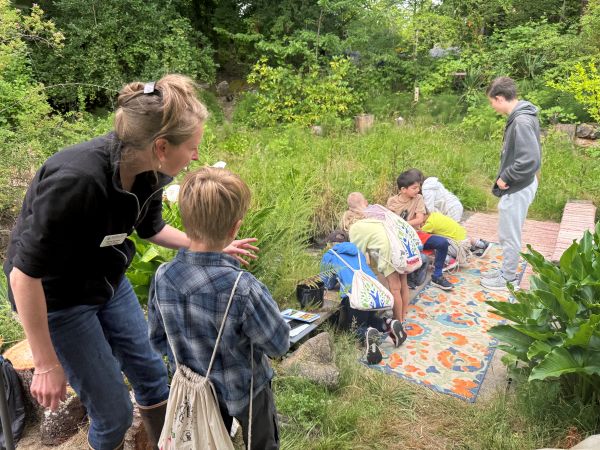
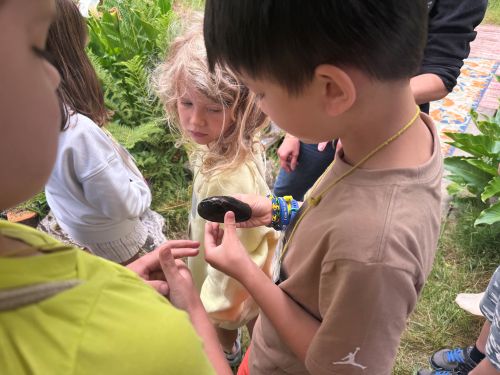
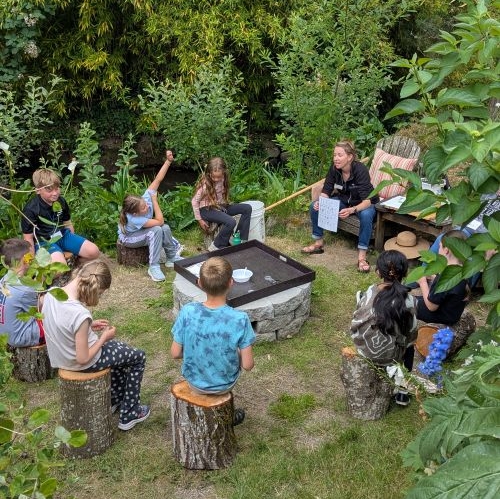
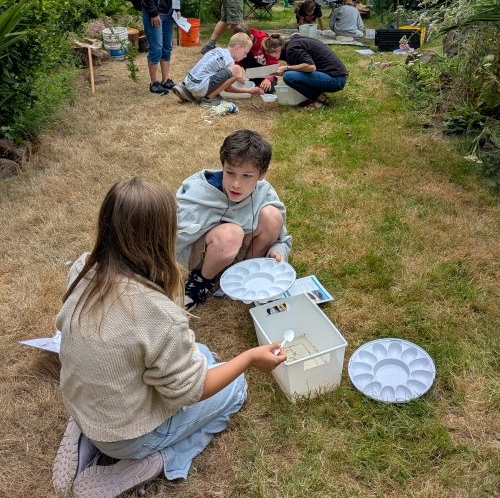
Wednesday: Hand-in-Hand
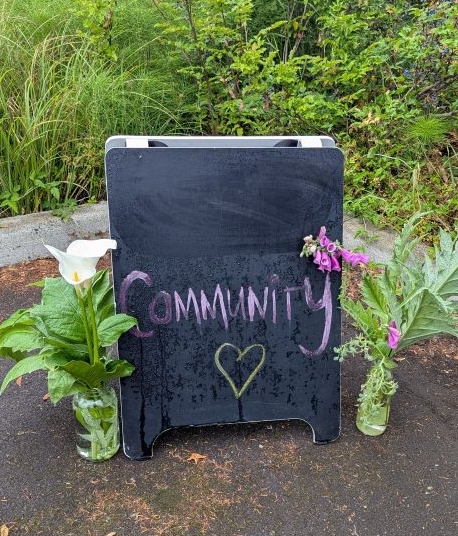
In an interconnected world, the most valuable medium is relationships. The more we learn, the more we see how many relationships we have with the world around us, many of which we take for granted. Sometimes these relationships benefit us at the expense of something else–and sometimes everyone reaps the benefits. Trying to isolate ourselves is irresponsible and impossible. This is a great day to explore our emotional/spiritual relationship with Earth and how building strong relationships can benefit the entire Earth community.
Tuesday: A Balancing Act
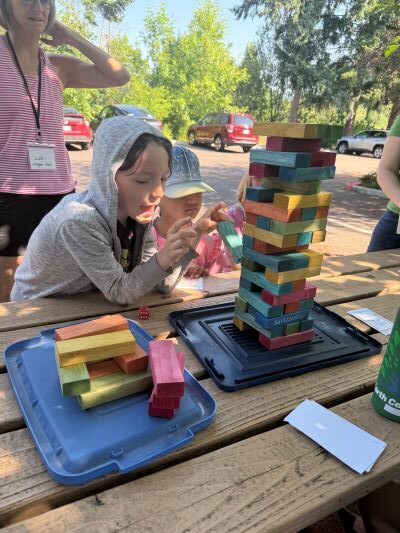
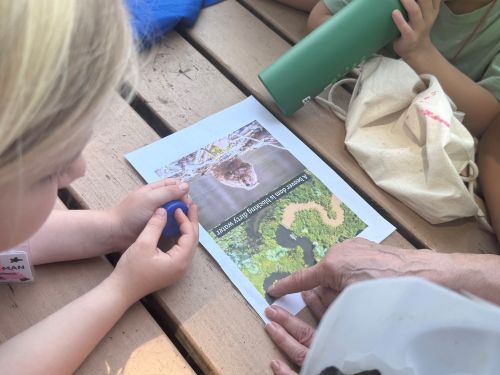
The universe is a balancing act. Becoming aware of the delicate balance of the universe opens our eyes to wonder. We must learn to see the balance in the universe, on earth, and within ourselves if we hope to live within it. This is a great day to explore the tensions that hold nature together.
Monday: One Body
The apostle Paul writes that the church is one body made up of many parts. So is the natural world. It’s not just that we’re all connected, but we’re all essential. When one part goes missing, all the others suffer for it.
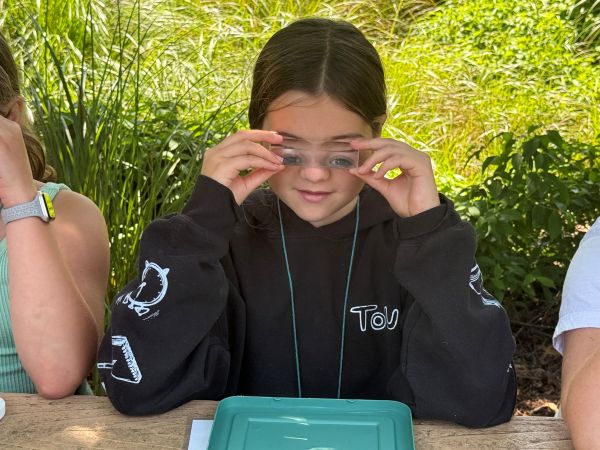
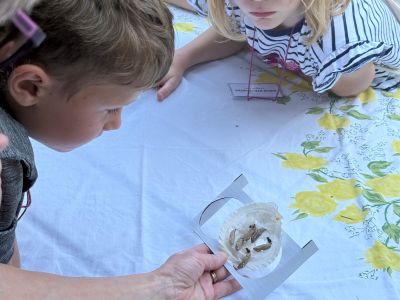
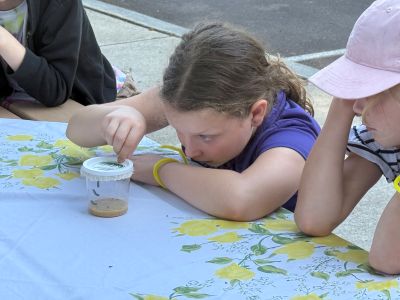
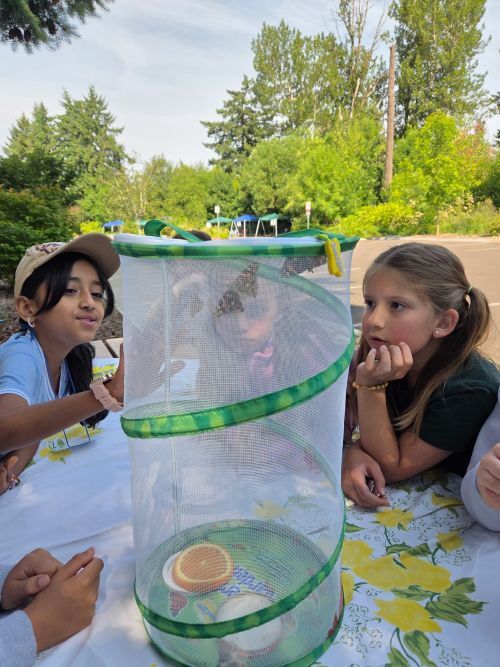
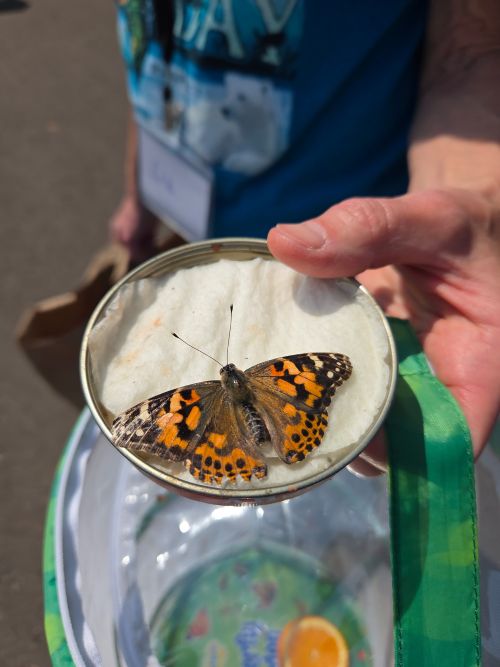
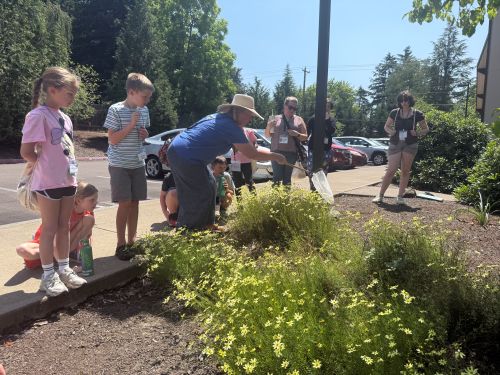
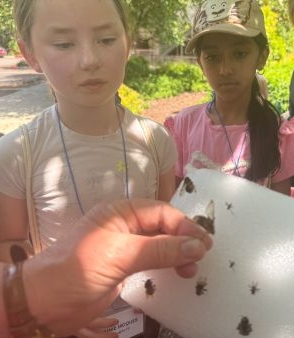
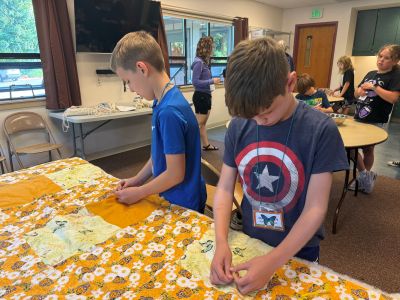
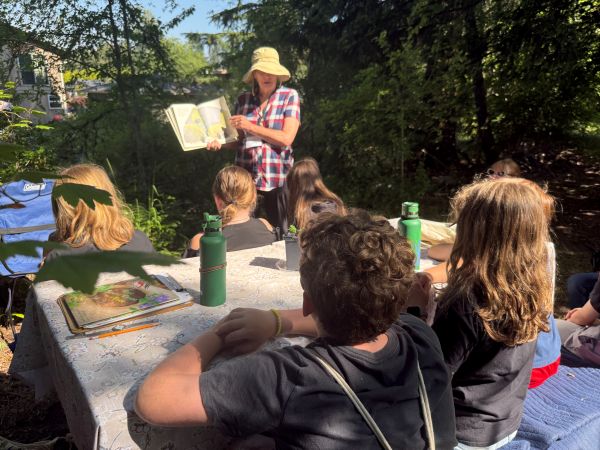
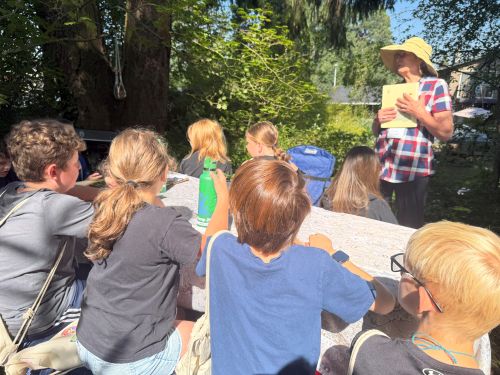
In Liz Hardy’s class about caterpillars turning into chrysalises and then butterflies, campers were able to see the life stages of painted lady butterflies and they learned the importance of pollinators in food production. LuAnn Staul, just returned from a trip to Iceland, noted that that country is too cold for butterflies and so there are no fruit trees in Iceland either.